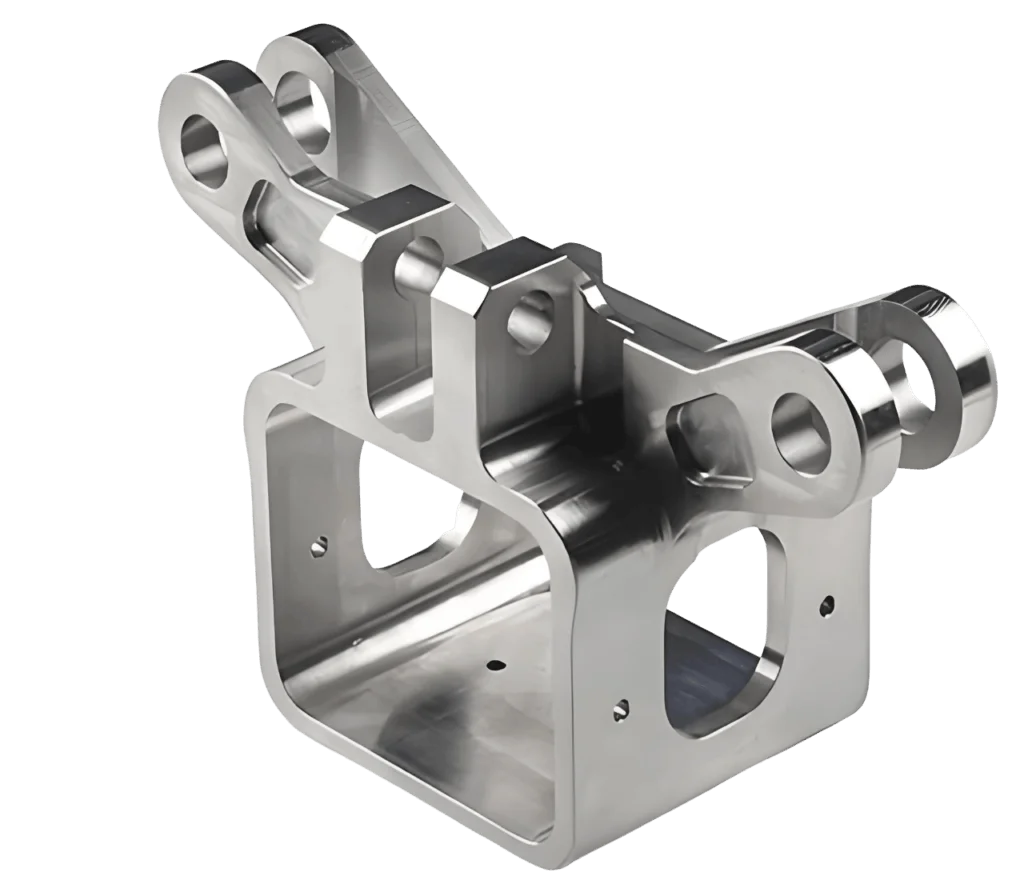
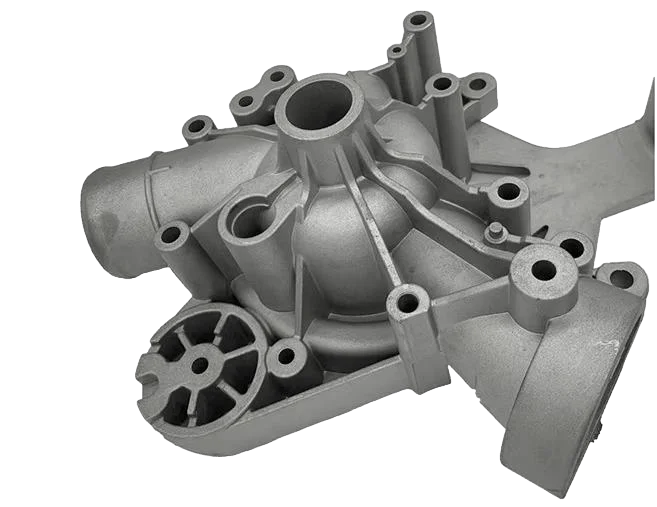
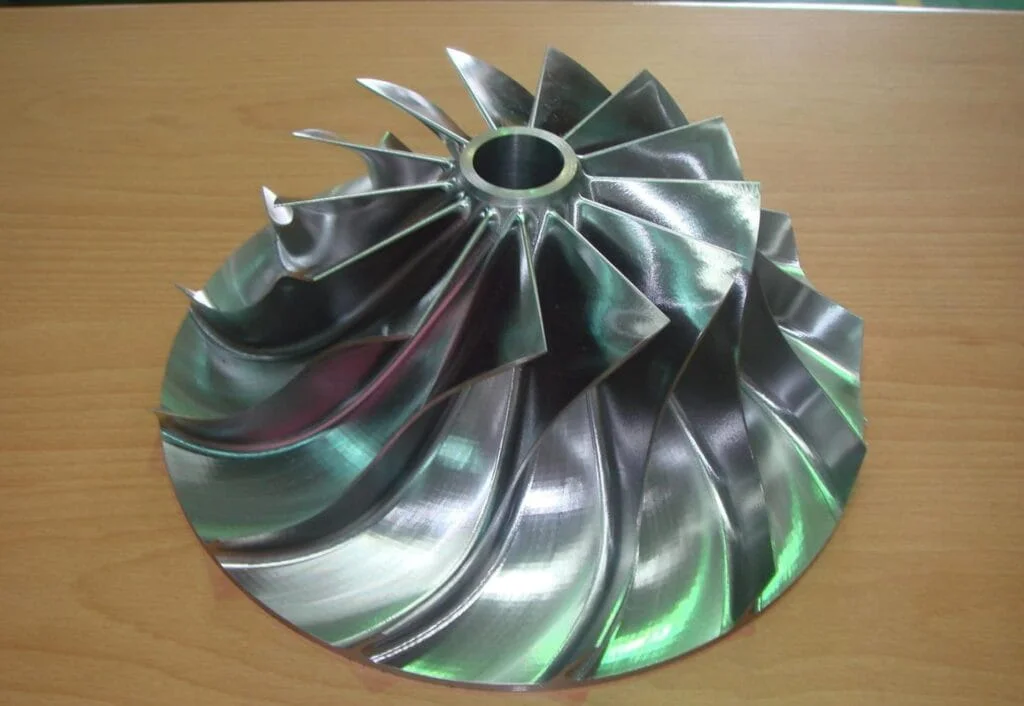
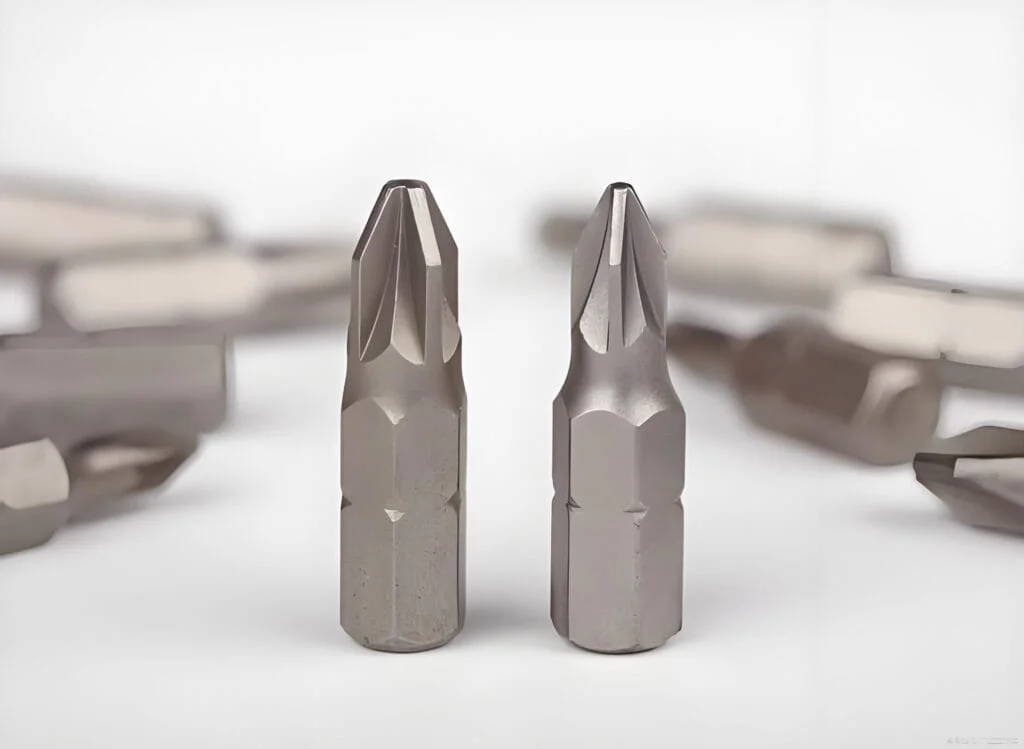
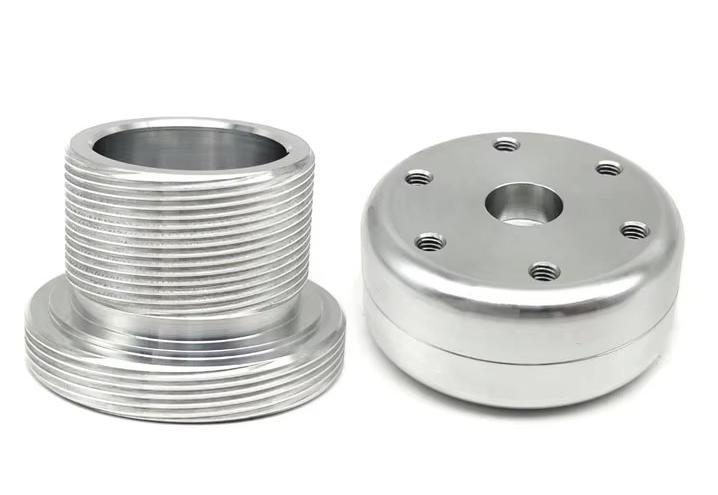
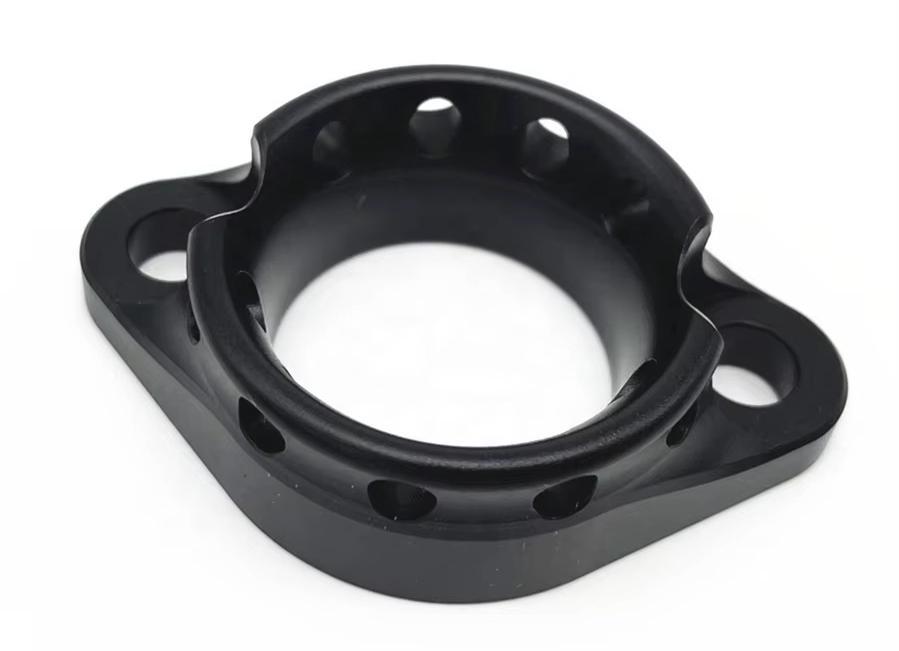
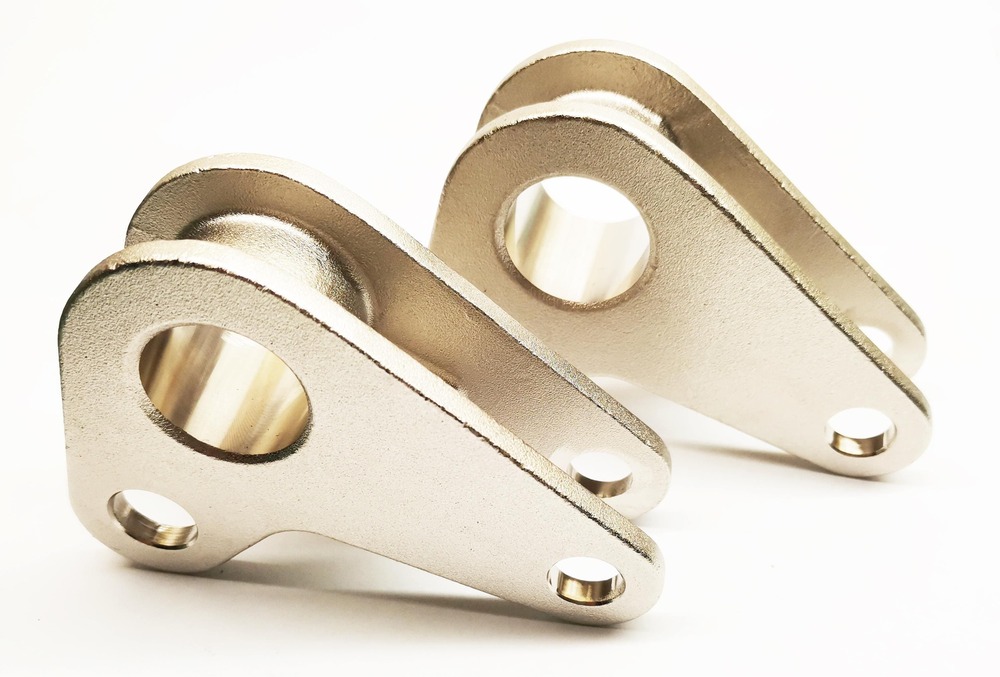
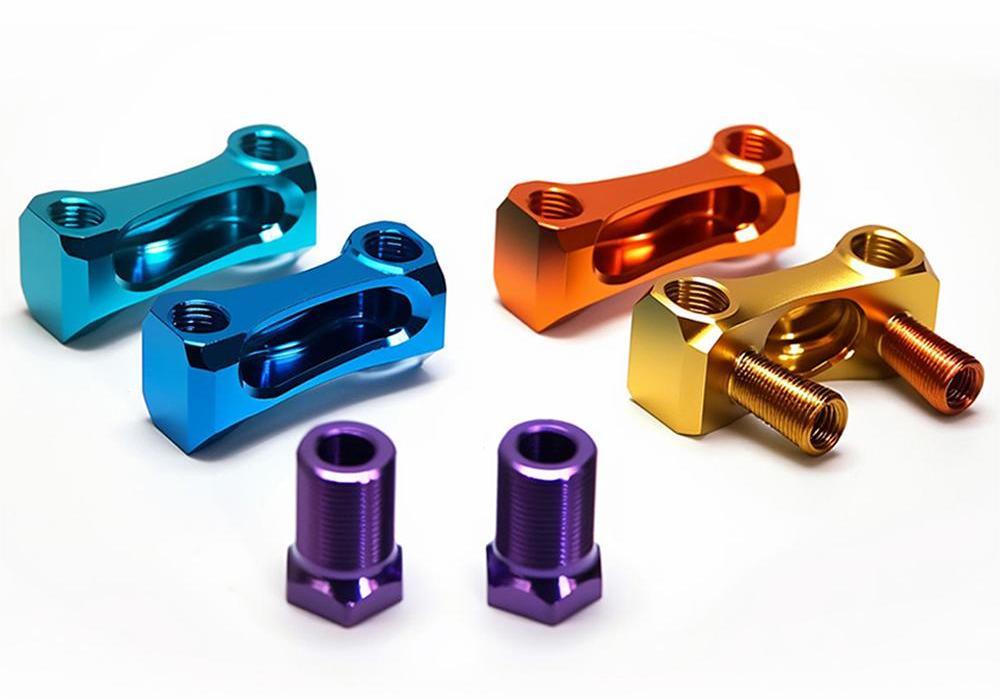
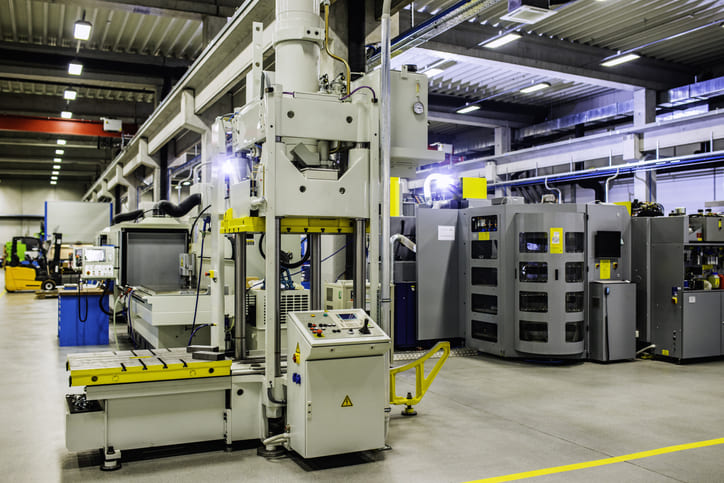
CNC metal machining
From concept to completion, we offer comprehensive CNC metal machining solutions tailored to your needs!
- Design support
- Delivering parts in the shortest possible time
- Delivery nationwide
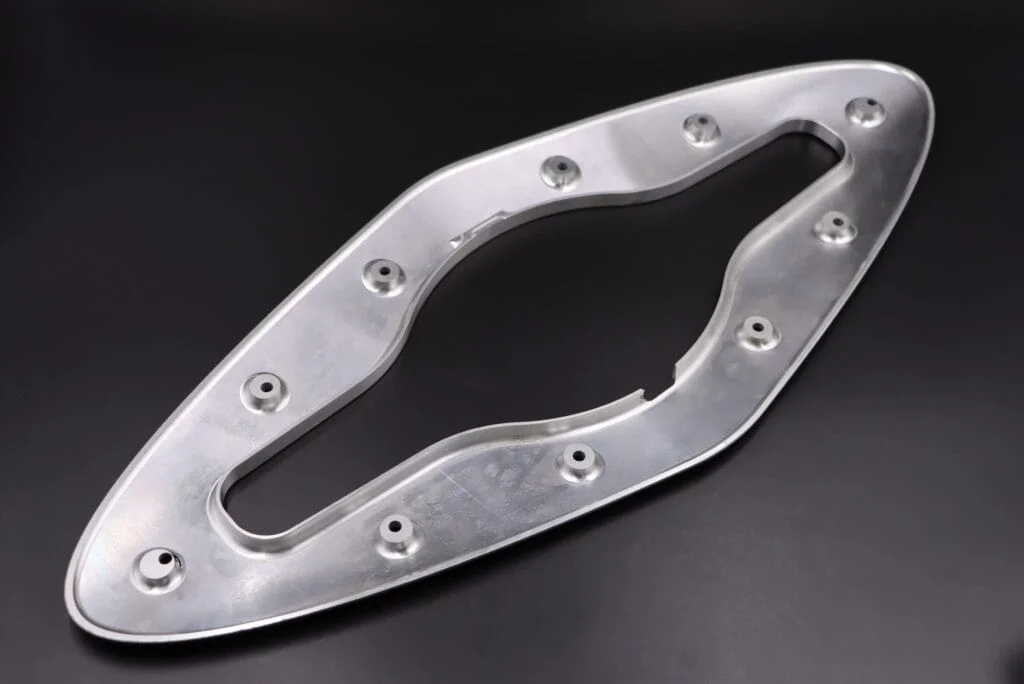
CNC metal machining services
Get customized CNC metal machining solutions tailored to your needs from our experts.
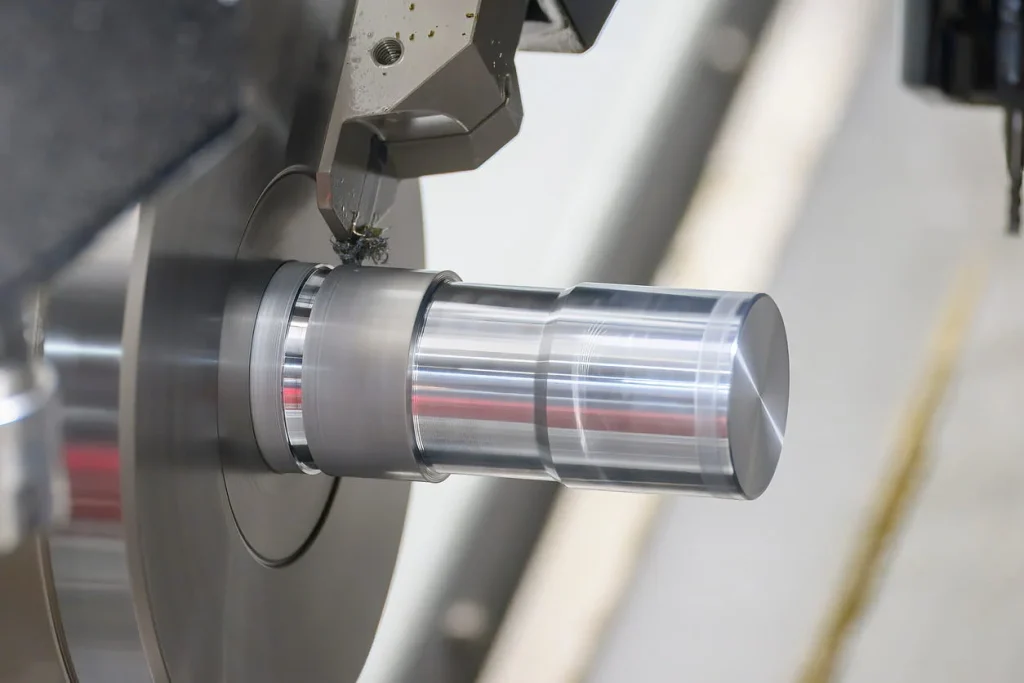
CNC lathe
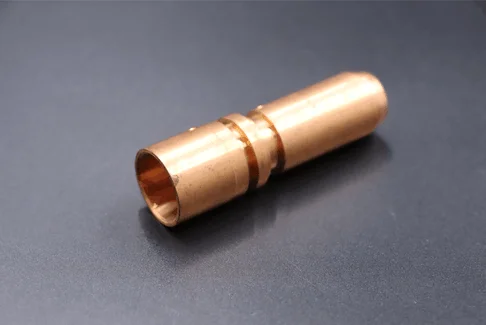
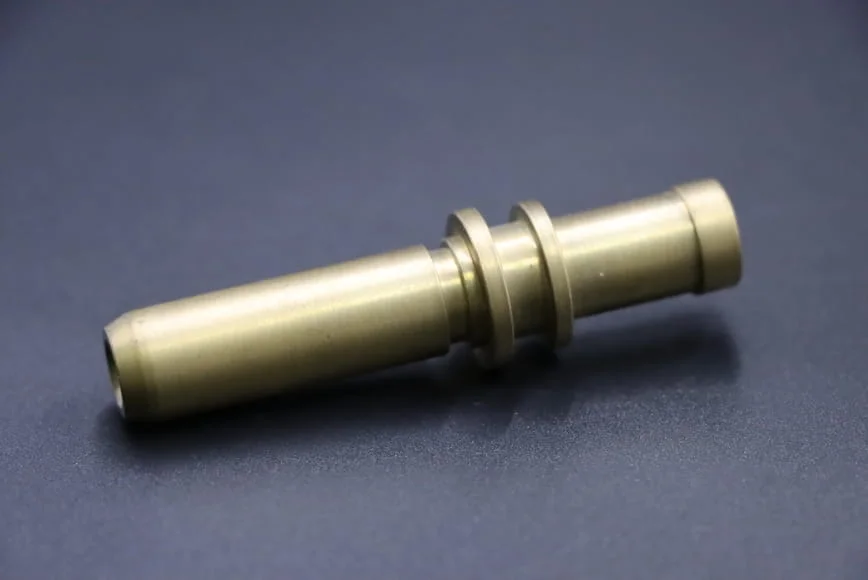
Accurate and efficient production of cylindrical parts with tolerances up to ±0.002 mm
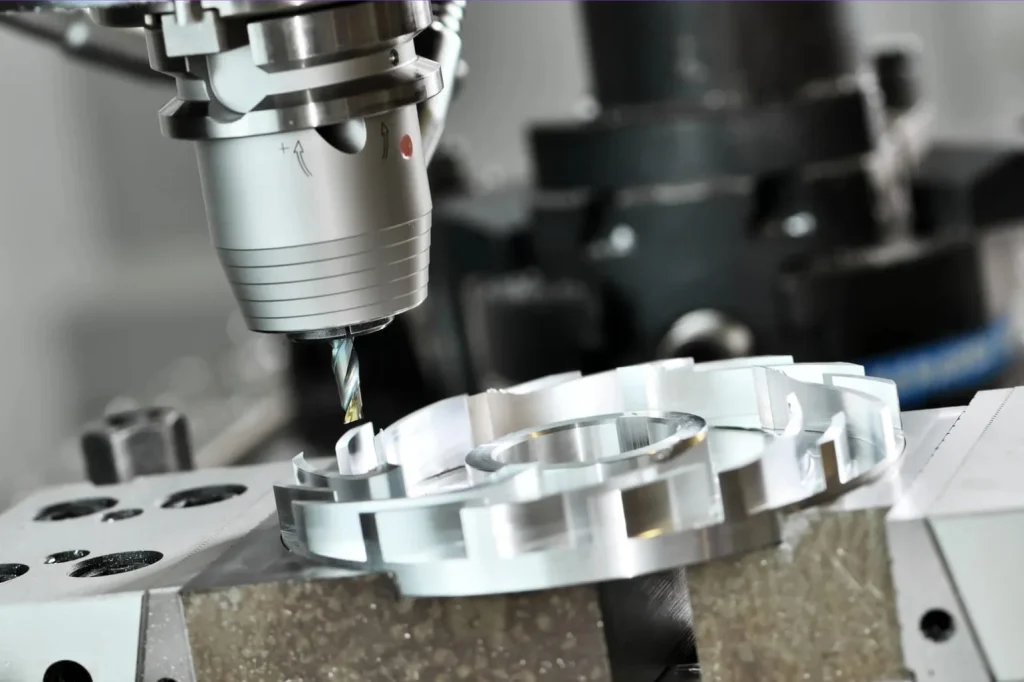
CNC milling
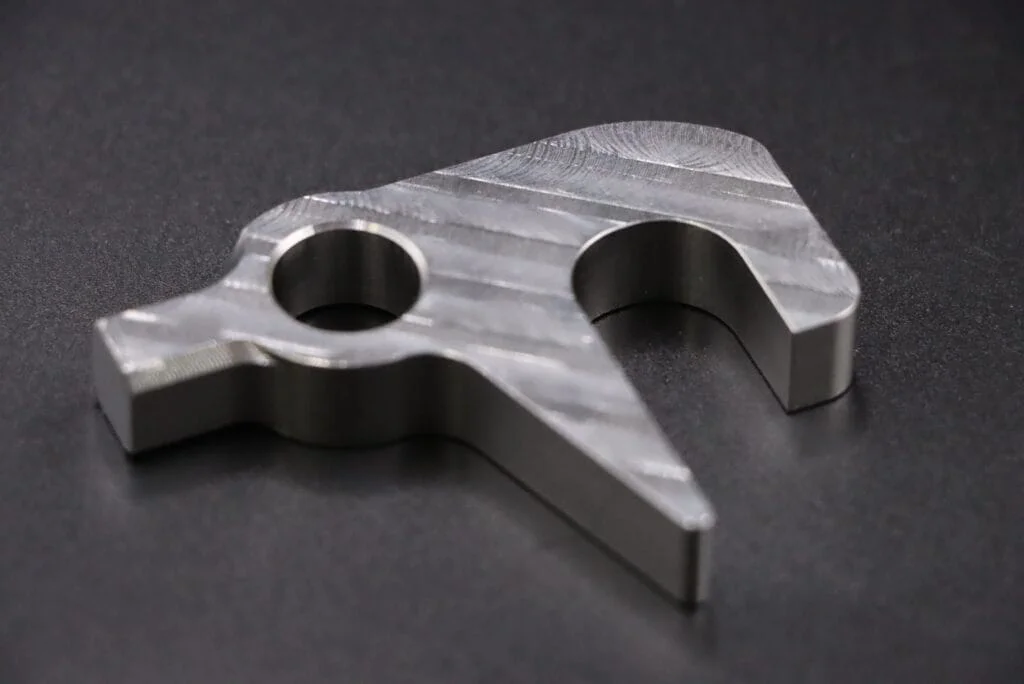
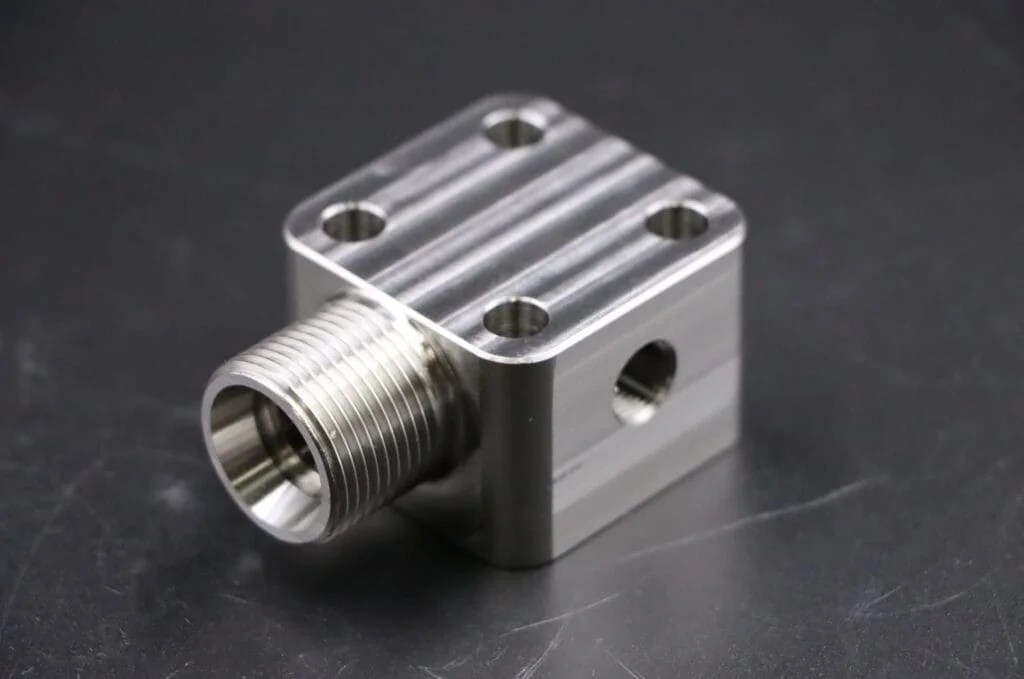
Specializing in producing complex parts with delicate shapes and precise details
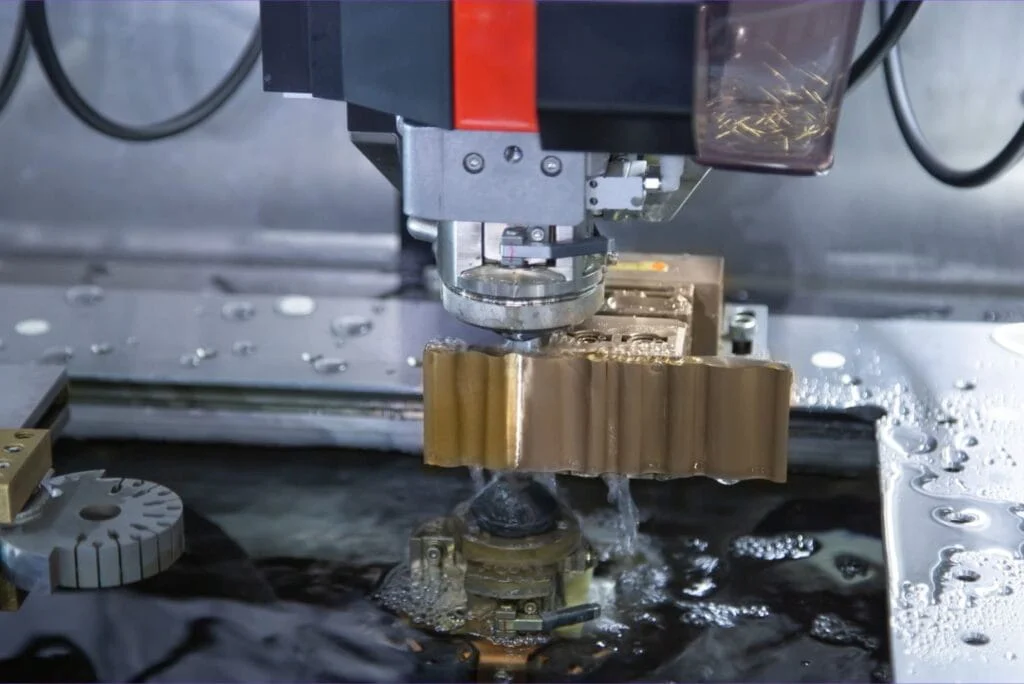
Wirecut EDM machining services
We are capable of cutting hard metals and complex shapes that traditional machining methods cannot achieve; this capability brings you dimensional accuracy and high-quality surface finishes.
Why choose our CNC metal machining services?
Cost-effective solutions
By optimizing production processes and minimizing waste, we can offer competitive prices without compromising quality.
Accuracy and precision
With tolerances as precise as ±0.002mm, we ensure that every part we produce meets your exact specifications.
Short order to delivery time
Whether you need a prototype or mass production, we can deliver your parts on time and without any compromise on quality.
Comprehensive services
In addition to CNC machining, we offer a range of complementary services including assistance with design, material selection, surface finishing and assembly.
Strict quality control
Our quality assurance processes include First Item Inspection (FAI), in-process controls, and final inspection to ensure that every part meets the highest standards.
Country presence
We serve customers extensively across the country.
Metal materials available for CNC machining
Payasazeh Sepanta Company has an extensive material supply chain, so you don’t need to worry about not finding the right materials for your project.
Aluminum
Properties: Lightweight, corrosion resistant, excellent strength-to-weight ratio, good thermal and electrical conductivity.
Common grades: 2024, 6061, 7075
Applications: Aerospace parts, automotive parts, consumer electronics, and medical devices.
Advantages: Easy to machine, excellent surface finish, cost-effective.
Steel
Features: High tensile strength, durability, abrasion resistance, available in various grades.
Common grades: 1018, 1045, 4140, A36
Applications: Structural components, industrial machinery, tools, automotive parts.
Stainless steel
Features: Corrosion resistant, high tensile strength, excellent temperature resistance
Common grades: 303, 304, 316, 17-4PH
Applications: Medical instruments, food processing equipment, marine applications, automotive parts.
Advantages: Durable, hygienic, attractive appearance, can withstand harsh environments.
Brass metal
Properties: Low friction, excellent thermal and electrical conductivity, corrosion resistance
Common grades: C360, C260
Applications: Plumbing fittings, electrical components, musical instruments, decorative parts
Copper
Properties: Exceptional thermal and electrical conductivity, malleable, corrosion resistant
Common grades: C110 , C101
Applications: Electrical connections, heat exchangers, piping components
Advantages: Highly conductive, easy to work with, excellent for electrical and thermal applications.
Titanium
Features: High strength-to-weight ratio, corrosion resistant, biocompatible
Common grades: Grade 2, Grade 5 (Ti-6Al-4V)
Applications: Aerospace parts, medical implants, high-performance automotive parts
Advantages: Lightweight, very strong, withstands extreme temperatures and harsh environments.
Magnesium
Features: Lightweight, good strength-to-weight ratio, excellent machinability
Common grades: AZ31B, AZ91D
Applications: Aerospace parts, automotive parts, electronic housings
Nickel alloys
Features: High strength, excellent corrosion resistance, heat resistant, ability to withstand harsh environments
Common grades: Inconel 625, Inconel 718, Monel 400
Applications: Aerospace components, gas turbines, chemical processing equipment, marine applications
Advantages: Maintains strength and integrity at high temperatures, highly resistant to corrosion and oxidation.
Tool steel
Properties: Very hard, wear resistant, retains sharp cutting edge, heat treatable
Common grades: A2, D2, O1, M2
Applications: Cutting tools, dies, punches, industrial machinery parts
Advantages: Excellent wear resistance, excellent machinability in the annealed condition, hardness and shape retention under high stress conditions.
Metal Material Comparison Guide
By comparing the properties of different materials, choose the metal that is right for your project.
| Material | Density (g/cm³) | Strength Tensile (MPa) | Hardness (HB) | Machining | Corrosion Resistance | Thermal Conductivity (W/m·K) | Electrical Conductivity (%IACS) | Cost | Common Applications |
|---|---|---|---|---|---|---|---|---|---|
| Aluminum 6061 | 2.70 | 310 | 95 | Excellent | Good | 167 | 43 | Average | Aerospace, Automotive, Structure |
| Stainless Steel 304 | 8.00 | 580 | 200 | Acceptable | Excellent | 16 | 2 | High | Food processing, medical equipment, containers Kitchen |
| Brass | 8.50 | 360 | 110 | Excellent | Good | 109 | 28 | Average | Plumbing, Electrical, Decorative |
| Titanium Grade 5 | 4.43 | 895 | 349 | Poor | Excellent | 7.2 | 1 | Very High | Aerospace, Medical Implants, High Performance Applications |
| Mild Steel (1018) | 7.85 | 440 | 126 | Good | Poor | 50 | 12 | Low | Construction, Automotive, Engineering General |
| Copper | 8.96 | 210 | 40 | Good | Poor | 385 | 100 | High | Electrical wiring, plumbing, heat exchangers |
| Inconel 718 | 8.19 | 1240 | 330 | Poor | Excellent | 11.4 | 1 | Very High | Aerospace, Gas Turbines, Chemical Processing |
| Tool Steel (D2) | 7.70 | 750 | 250 | Poor | Good | 20 | 15 | High | Cutting Tools, Dies Injection, Press Molding |
| Nickel 200 | 8.89 | 462 | 110 | Poor | Excellent | 90 | 22 | High | Chemical Processes, Marine Applications |
| Magnesium AZ31 | 1.77 | 260 | 65 | Excellent | Poor | 96 | 40 | Average | Aerospace, Automotive, Electronics |
| Zinc | 7.14 | 150 | 30 | Excellent | Good | 116 | 29 | Low | Casting, Automotive, Construction Material |
| Chromoly Steel (4130) | 7.85 | 560 | 217 | Good | Poor | 42 | 10 | Average | Aero, Motorsport, Structural |
| Cast Iron (Gray) | 6.90 | 200 | 180 | Poor | Good | 52 | 8 | Low | Machinery, Automotive, Construction |
CNC metal machining tolerances
We follow the ISO 2768 standard for CNC machining.
| Nominal size limit | Tolerance Ha |
|---|---|
| 0.5mm~3mm | ±0.05mm |
| > 3mm~6mm | ±0.05mm |
| > 6mm~30mm | ±0.1mm |
| > 30mm~120mm | ±0.15mm |
| > 120mm~400mm | ±0.2mm |
| > 400mm~1000mm | ±0.3mm |
| > 1000mm~3000mm | ±0.5mm |
| > 2000mm~4000mm | ±2mm |
Factors to consider when choosing metal for CNC machining
Selecting the right metal for CNC machining is crucial to achieving the desired performance and quality of the part. To ensure optimal results, several factors must be considered:
1. Material properties
Factors such as hardness, tensile strength, thermal conductivity, and corrosion resistance play an important role in determining the suitability of a material for your application.
2. Tolerance and accuracy
High-precision parts require more precise machining and inspection, which often results in higher costs.
3. Surface finishing processes
Some pieces may require a smooth, polished finish, while others require a specific texture or coating.
4. Production volume
For mass production, automated CNC machines with multi-axis capabilities are often more efficient and cost-effective. For smaller batches or prototypes, flexibility and fast setup times may be more important.
5. Order to delivery time
High-precision parts require more detailed machining and inspection, which often results in higher costs.
6. Cost
Factors such as: material cost, machining time, finishing processes, and inspection requirements all affect the final price.
7. Post-machining processes
Some parts may require additional post-machining processes, such as heat treatment, anodizing, or coating. Make sure your supplier can handle these processes or has reliable partners to do so to maintain quality and consistency.
8. Communication and support
Clear and consistent communication helps to address any issues quickly and ensures that the project stays on track.
Rigorous Quality Inspection Process
From initial material selection to final inspection, we employ rigorous checks at every stage of production. Our advanced measurement tools and techniques, including First-Aid Inspection (FAI) and in-process monitoring, allow us to identify and correct any deviations in a timely manner. This meticulous approach ensures that our customers receive parts that not only meet but exceed their specifications, ensuring optimal performance and longevity.
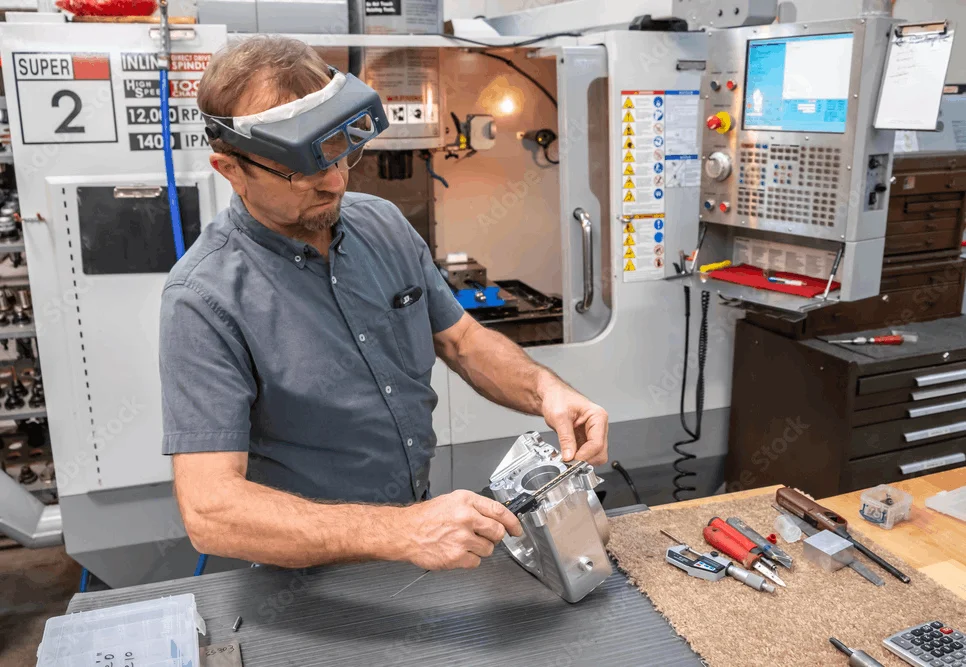
Advanced quality control equipment
CMM
Optical Comparators
Altimeter
Surface protection options for CNC machined metal parts
Whether you are looking to improve corrosion resistance, wear resistance, or achieve a specific visual appeal, our advanced surface treatment solutions are designed to provide the optimal finish for your parts.
After machining
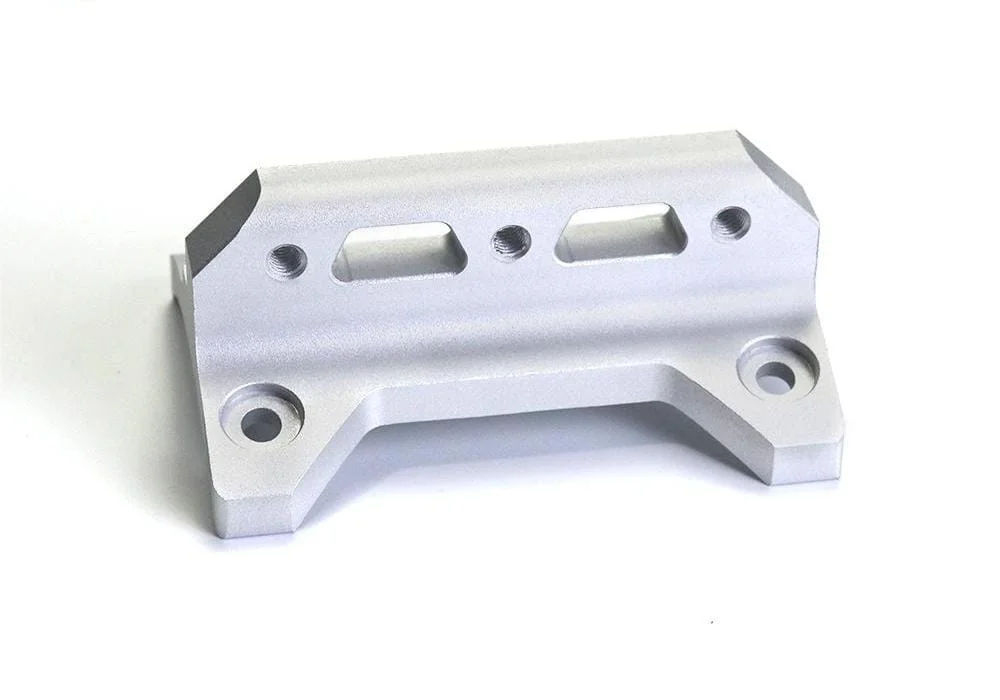
After removal from the machine, the surface of the part remains with visible tool marks.
Shot put
Shot peening with glass beads, fine steel or abrasive materials such as: ceramic, aluminum oxide, creates a uniform matte or satin finish on the surface of the part.
Anodizing II and III
The electrochemical process of forming a protective oxide layer is available in various colors and with increasing surface hardness.
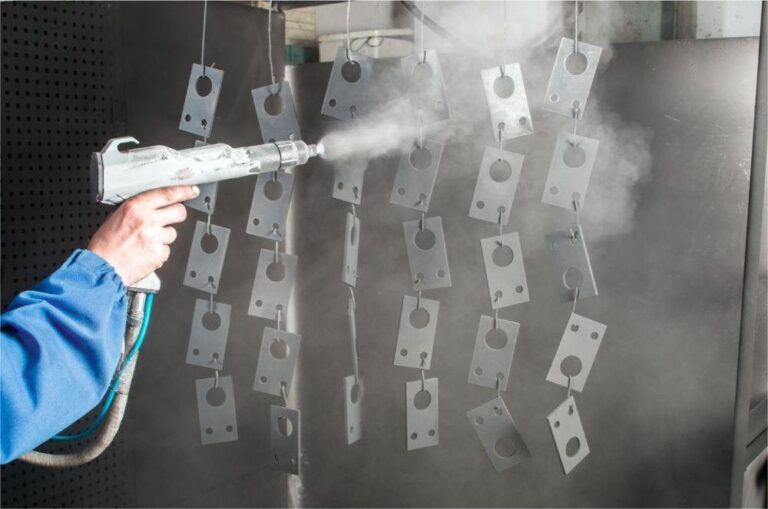
Powder coating
Applying electrostatic coating with dry powder and then baking it to create a thick, durable coating in a variety of colors and textures.
Polishing
A mechanical process using abrasive materials to achieve a shiny, highly smooth, and reflective surface.
Brushing
It uses abrasive brushes to create a distinctive one-sided satin finish.
Electropolishing
Electrochemical removal of a thin layer of material to improve surface smoothness and gloss.
Black oxide
Chemical conversion coating provides a black finish with mild corrosion resistance.
Becoming passive
Chemical treatment to remove free iron from stainless steel surfaces to increase corrosion resistance.
Plating (nickel, chrome, etc.)
Electroplating or electroless plating to deposit a metal layer to improve its appearance and resistance.
Applied industries for CNC metal machining
CNC metal machining is widely used in various industries due to its precision, versatility, and ability to produce complex parts. Below are some of the key industries:
Automotive industries
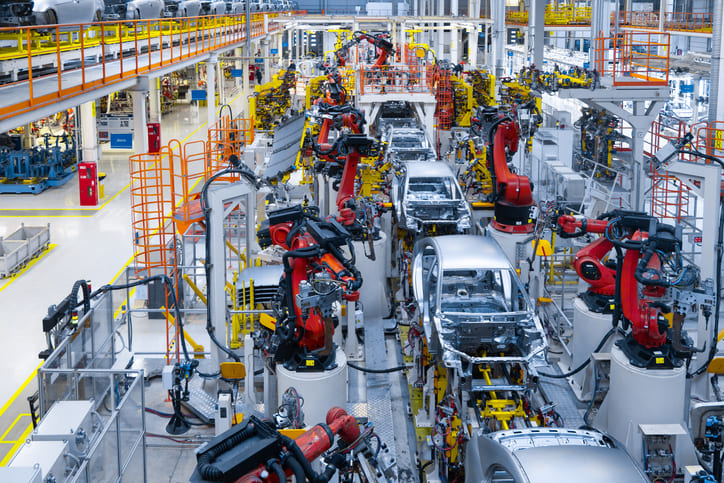
This industry relies on CNC machining to produce various parts, including engine components and gearbox parts.
Medical industries
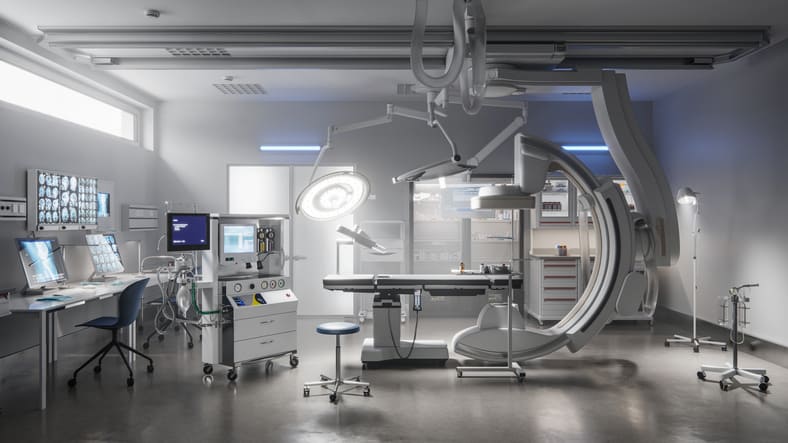
CNC machining is used in this industry to manufacture medical devices, implants, and surgical instruments. Precision and the ability to work with biocompatible metals are very important in this field.
Marine industries
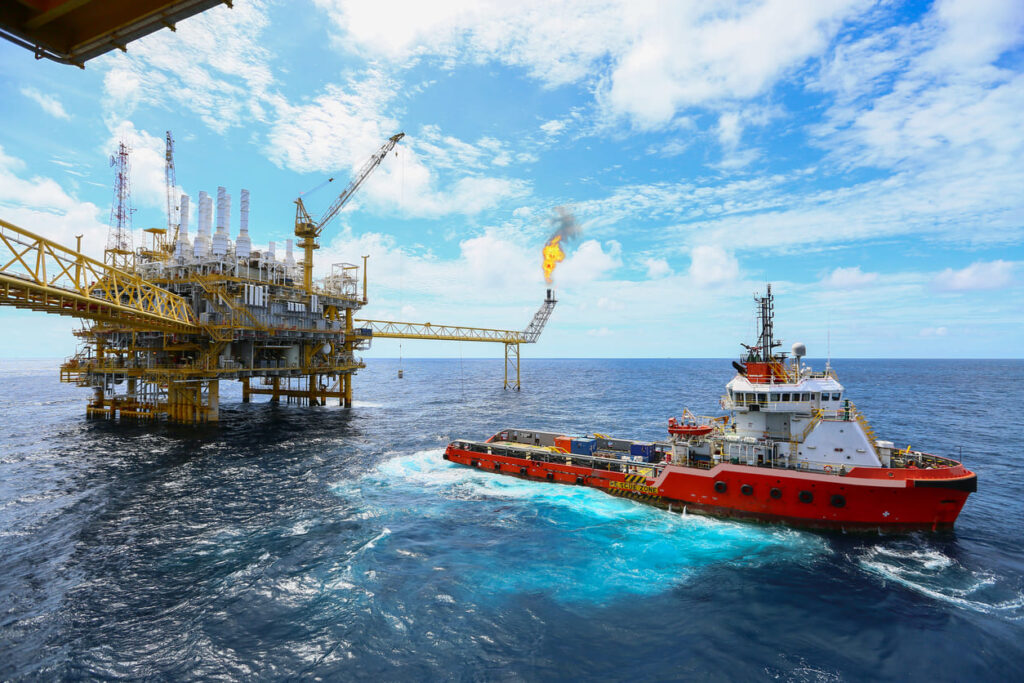
CNC machining is used in this industry to manufacture parts for boats and ships, such as propellers, engine components, and structural elements.
Electronics industries
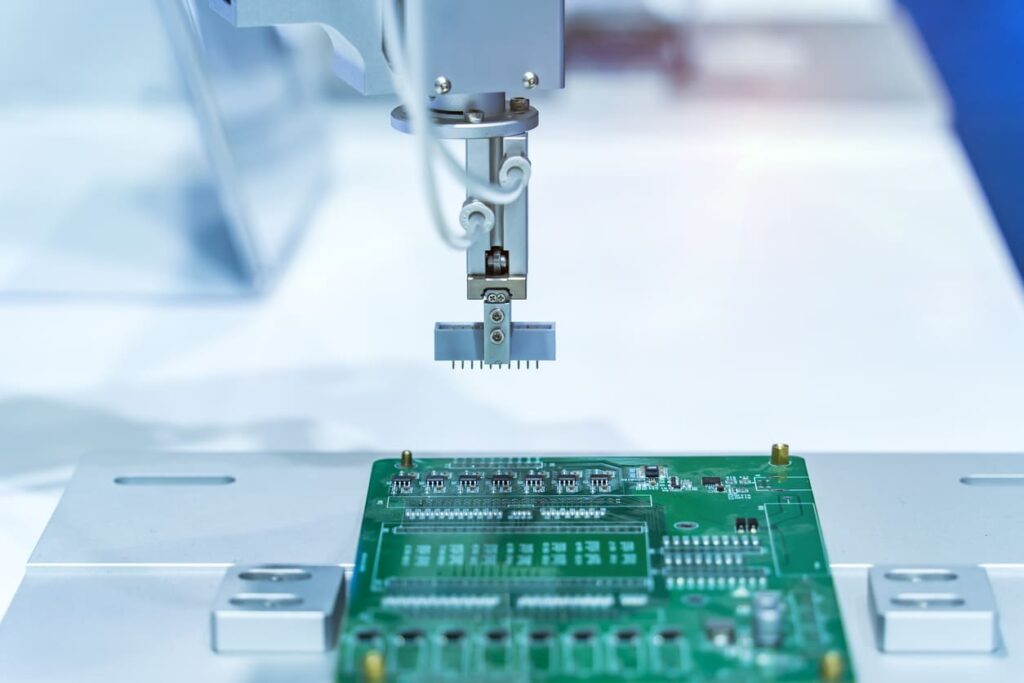
The electronics industry uses CNC machining to create enclosures, heat sinks, and various small components that require high precision and fine detail.
Industrial equipment
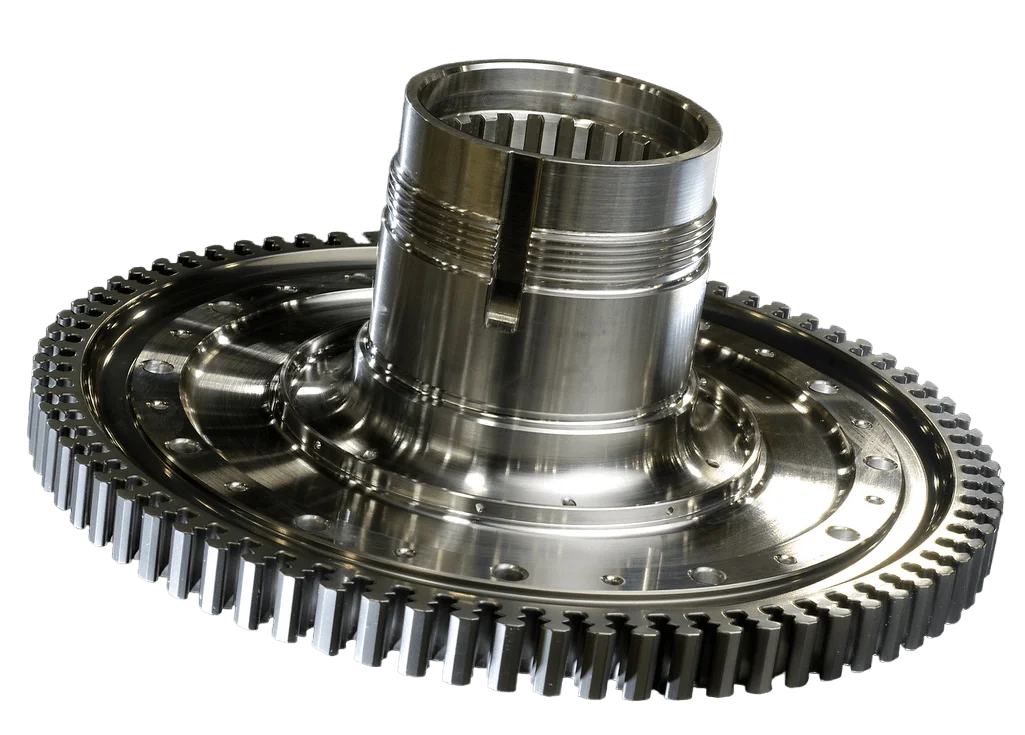
Various industrial machines and tools require CNC machined parts, including gears, shafts, and bodies, for their construction and operation.
Frequently Asked Questions About CNC Metal Machining
What types of CNC machines do you have?
Our workshops are equipped with advanced 3-axis, 4-axis and 5-axis CNC machines to perform a wide range of machining tasks.
Do you offer prototype machining services?
Yes, we offer prototype machining services to help you test and refine your designs before mass production.
What is your delivery time for CNC machined parts?
Delivery times vary depending on the complexity and volume of the order, but are typically between 2 and 4 weeks.
How do you ensure the quality of machined parts?
We implement rigorous quality control measures including First Item Inspection (FAI), in-process inspections, and final inspection using advanced metrology equipment.
Can you work with my CAD files?
Yes, we accept a variety of CAD file formats including STEP, IGES and STL. Our engineering team can also assist with file conversion if needed.
Do you offer design assistance or consulting services?
Yes, our engineering team can provide Design for Manufacturability (DFM) feedback and consulting services to optimize your designs for CNC machining.
How do you deal with confidential and proprietary information?
We have strict confidentiality agreements and ensure that all customer data is stored and protected securely.
Can you machine complex geometries and precise tolerances?
Yes, our advanced CNC machines and experienced operators are capable of handling complex geometries and achieving precise tolerances with high accuracy.
Ready to get a quote for your custom metal parts?
Ready to take the next step? Contact us today to receive a proforma invoice for your custom metal parts and experience the difference at Payasazeh Sepanta Company.
- All information and uploads are secure and confidential.