
Manufacturing high-precision parts for medical applications
Raise the standard of medical devices with our advanced manufacturing solutions. From prototype to mass production, Payasazeh Spenta ensures the flawless quality of each part.
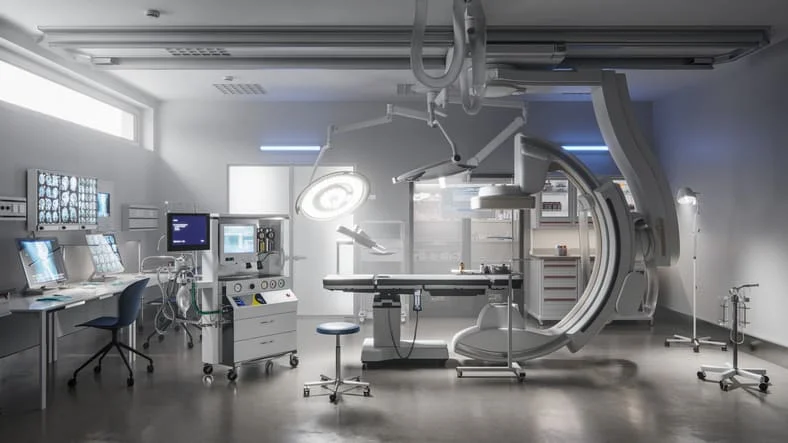
Why choose Paya Sazeh Spanta's custom medical parts services?
Learn about the advantages of our precision medical parts manufacturing.
Quality assurance
We provide comprehensive raw material certificates and product inspection reports.
Quick Inquiry
Upon receiving your request, our pricing engineers will provide an accurate and transparent quote for your project within hours.
Country access
We are well equipped to serve customers across the country and ensure smooth communication and seamless service.
Expertise in material selection and procurement
Expertise in the use of biocompatible materials, such as titanium and medical-grade plastics, is essential for the manufacture of safe and sustainable medical devices.
Quality control
Our manufacturing centers follow the ISO 13485 standard, ensuring that all manufactured parts are fully compliant with international quality and safety laws and regulations in the medical industry.
Capability to produce at different scales
Our processes are designed to scale seamlessly from prototyping to mass production, supporting projects of any size without compromising quality.
Rapid prototyping
Short lead times during the prototyping phase enable acceleration of the development and commercialization process of medical devices.
Compliance with laws and regulations
Familiarity with and management of the complex regulatory environment of the medical industry ensures full compliance with the FDA and other relevant regulatory bodies.
Ensuring complete confidentiality of information
Strict confidentiality protocols are required and fully implemented to protect the proprietary designs and sensitive information of customers active in the healthcare industry.
What kind of medical parts can we produce?
Using advanced manufacturing technologies, high-quality medical components are manufactured in accordance with the vital standards of the healthcare industry. Some of the specialized medical components that can be produced include:
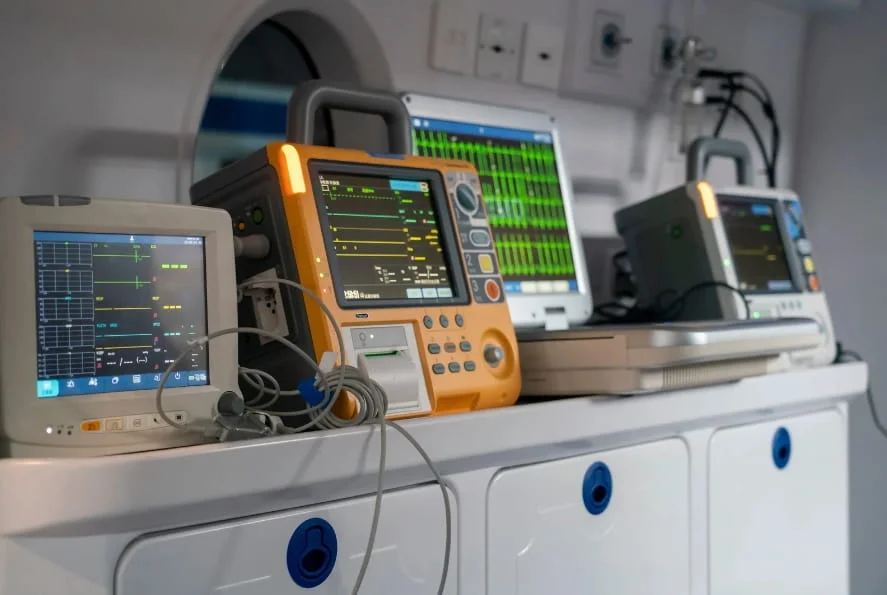
- Cardiovascular systems
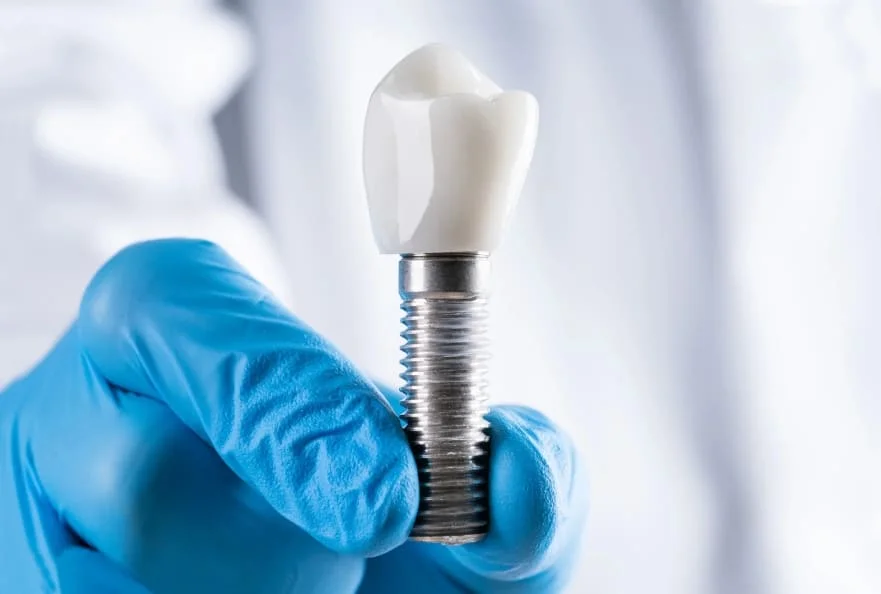
- Dental implants and instruments
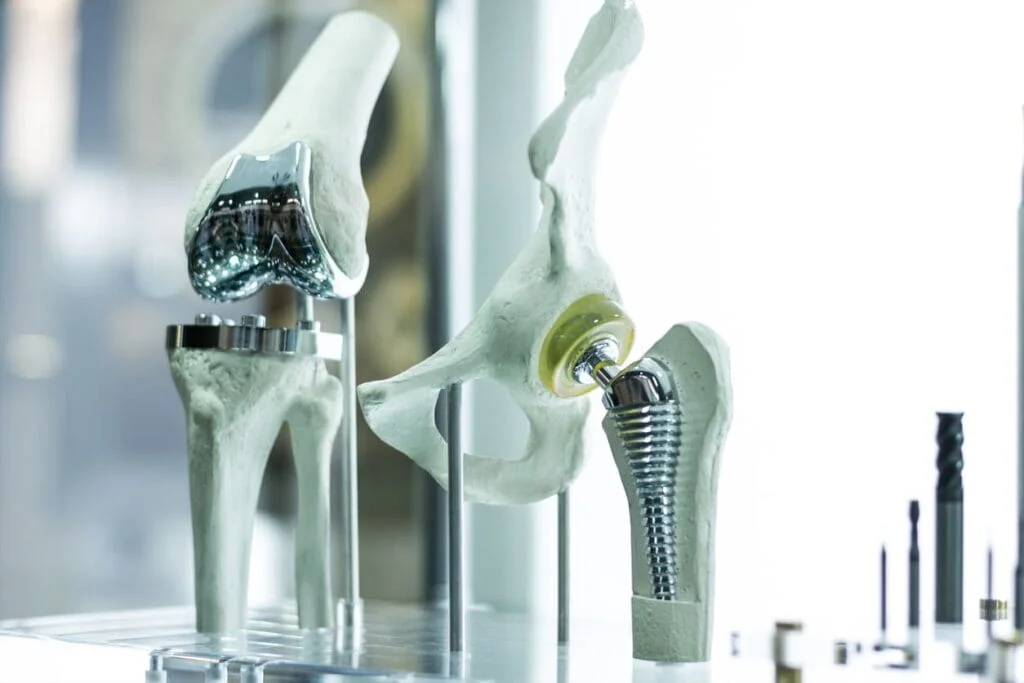
- Bone and joint implants
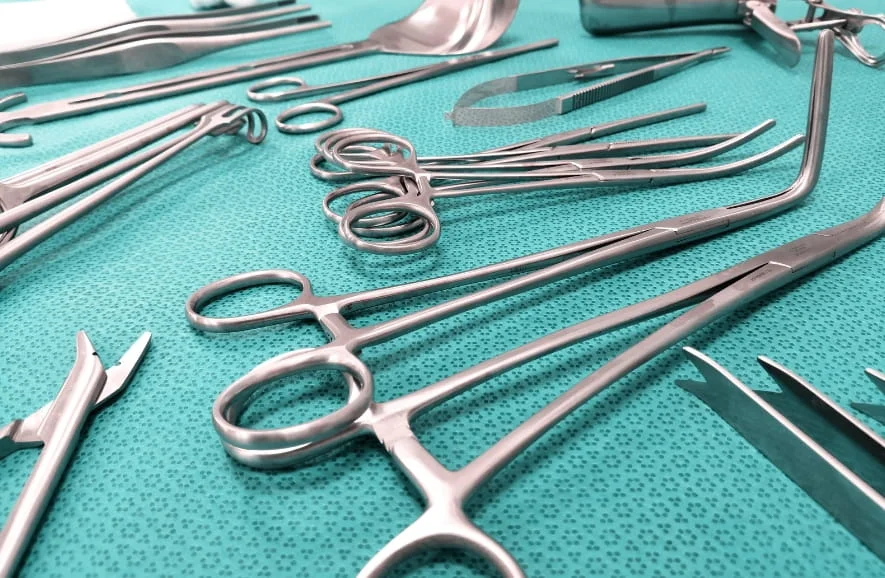
- Surgical instruments

- Wearable medical devices

- Artificial limbs and medical prostheses

- Medical equipment enclosures and bodies
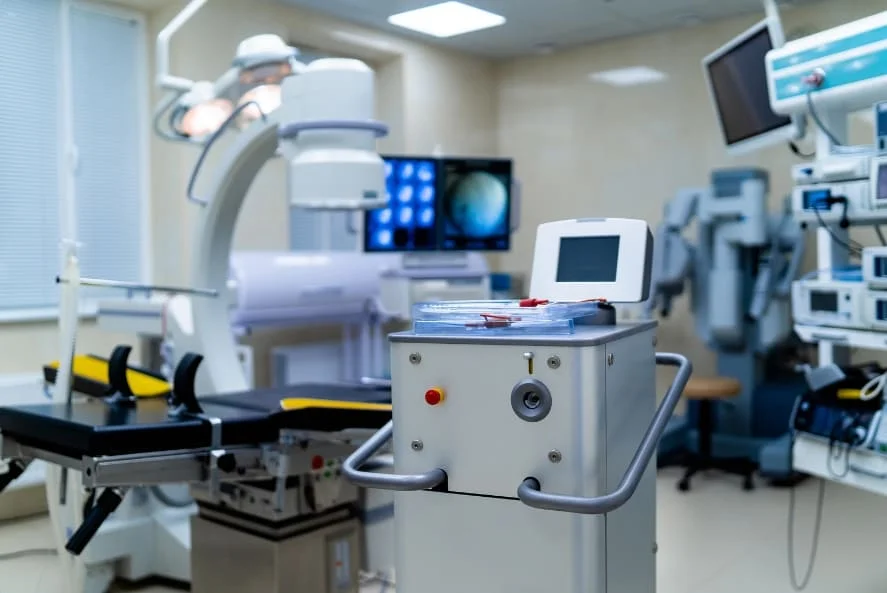
- Parts of laboratory and clinical diagnostic devices
Our medical parts manufacturing services
Our precise processes ensure high-quality and cost-effective solutions, precisely designed for the specific needs of the medical industry.
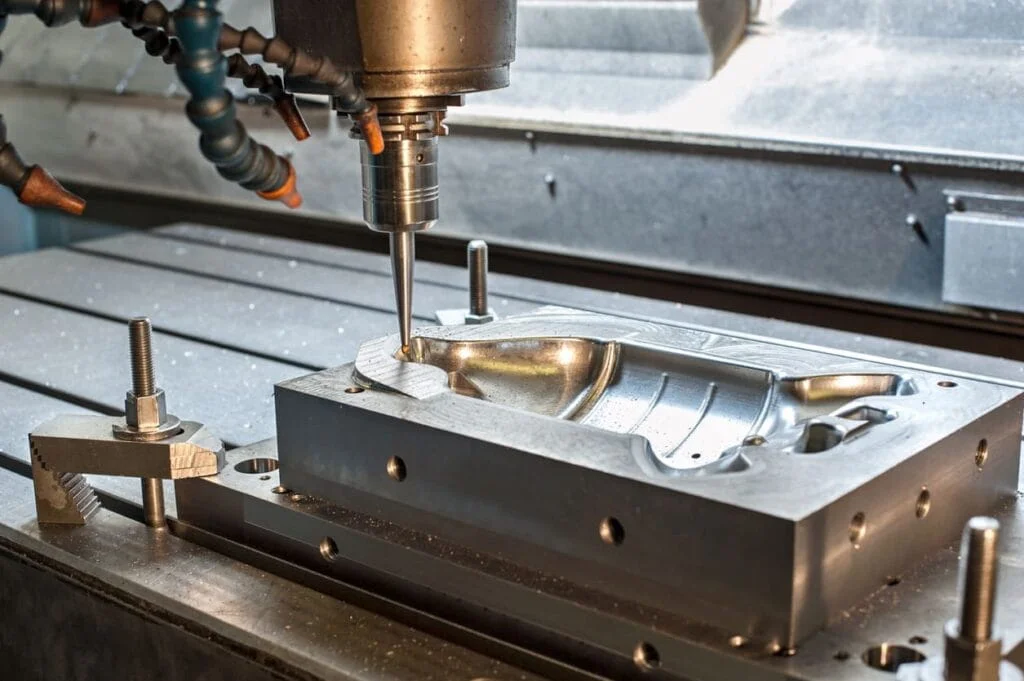
Injection molding
Injection molding is an ideal option for mass production of medical plastic products at low cost and consistent quality.
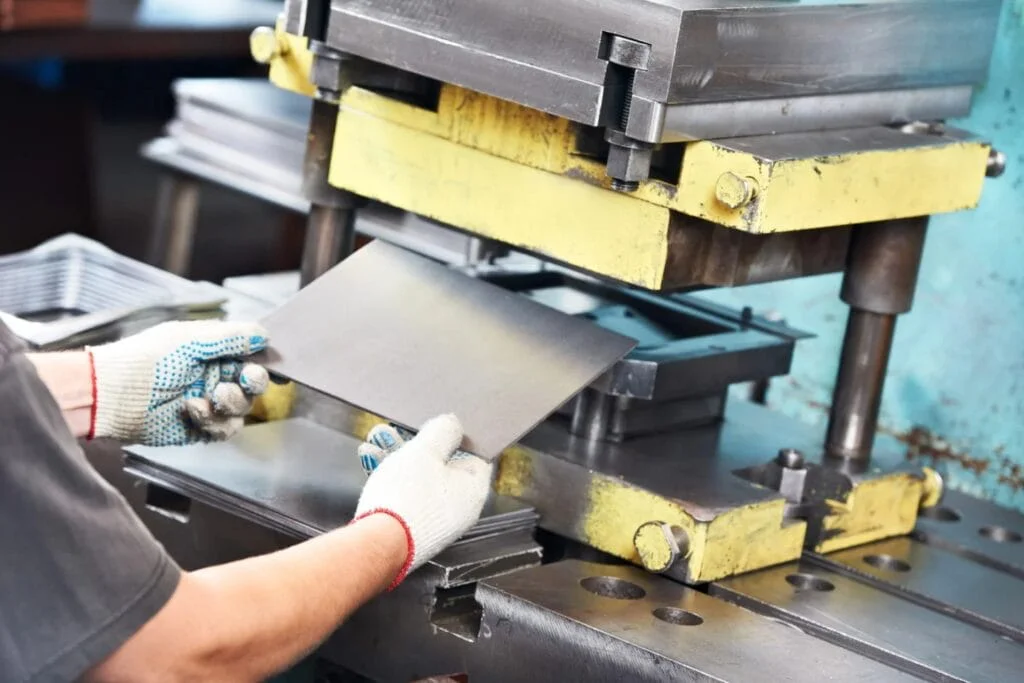
Manufacturing of sheet metal parts
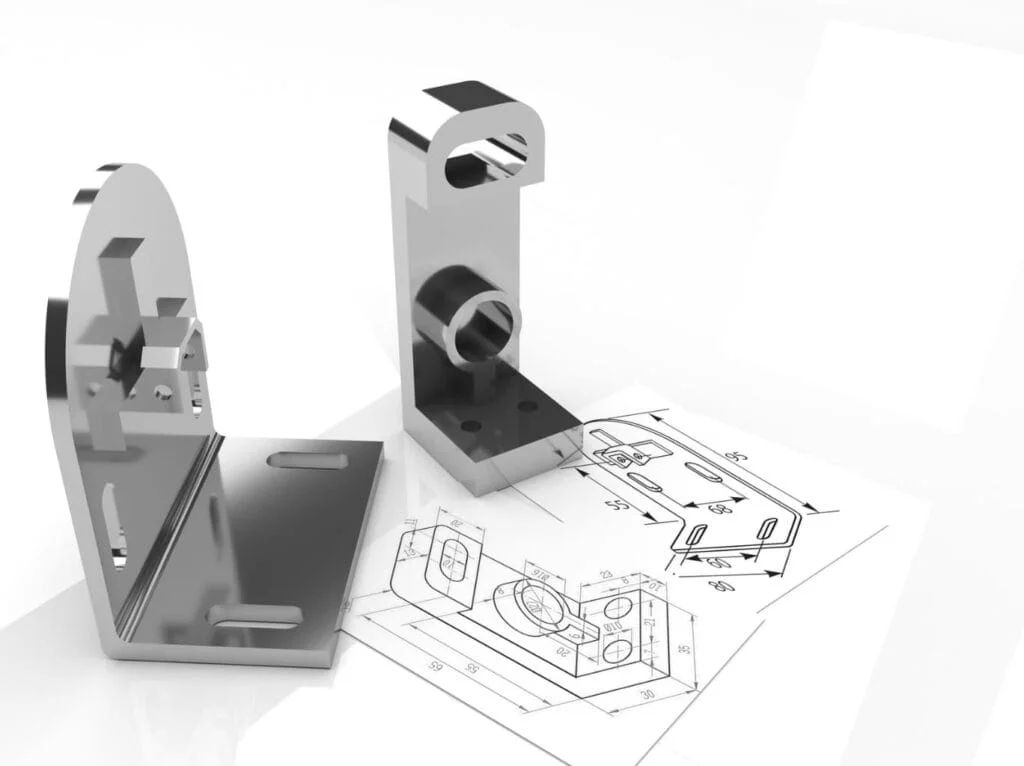
Enables efficient production of metal structures (e.g. device housings, brackets) for medical devices.
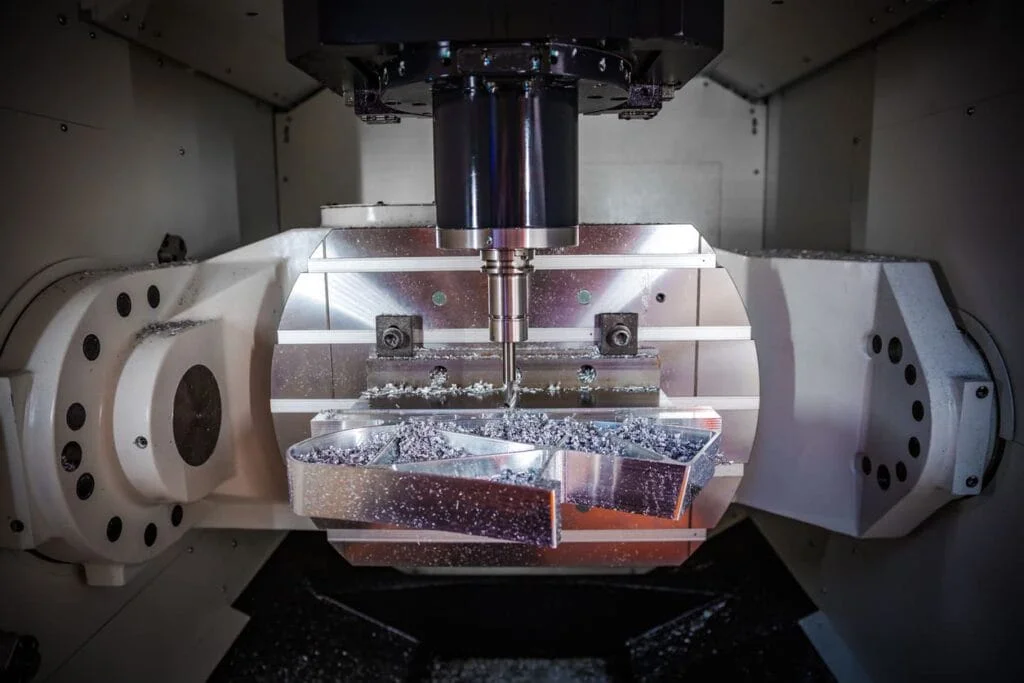
CNC machining
It enables the manufacture of complex medical parts with precise tolerances; parts that are vital and essential for the proper functioning of medical devices and implants
Various material options (medical)
Medical parts require materials that are both strong and durable, as well as biocompatible and sterilizable. Some common materials used in the production of medical parts and equipment include:
Stainless steel
This material has wide application due to its corrosion resistance, ease of sterilization, and high strength, and is especially used in the manufacture of surgical instruments, implants, and structural components of medical equipment.
Titanium
Titanium is known for its high strength, light weight, and exceptional biocompatibility. This precious metal is often used in orthopedic implants such as joint replacements and bone screws, as well as in cardiovascular devices.
Cobalt-chromium alloys
These alloys have very high resistance to wear and corrosion, making them well-suited for use in implants under high stress, such as those used in dentistry and orthopedics.
Aluminum
This material is often used in the construction of shells and parts for medical devices, where light weight is desired without compromising structural integrity and strength. These properties make it an ideal choice for portable medical equipment and mobile diagnostic devices.
Polyether ether ketone
This material is a thermoplastic with high mechanical and chemical resistance, making it suitable for many medical applications, including implants and components of diagnostic devices. This material is especially valuable in applications that require compatibility with imaging (such as MRI and CT scans) because it is radiolucent in nature (transparent to X-rays) and does not interfere with imaging.
Polyethylene
“High-density polyethylene (HDPE) is widely used in the manufacture of prostheses (artificial limbs) and a variety of non-implantable parts of medical devices, particularly due to its exceptional strength-to-density ratio. This lightweight, durable, and cost-effective material is an ideal choice for applications that require high strength without adding weight.”
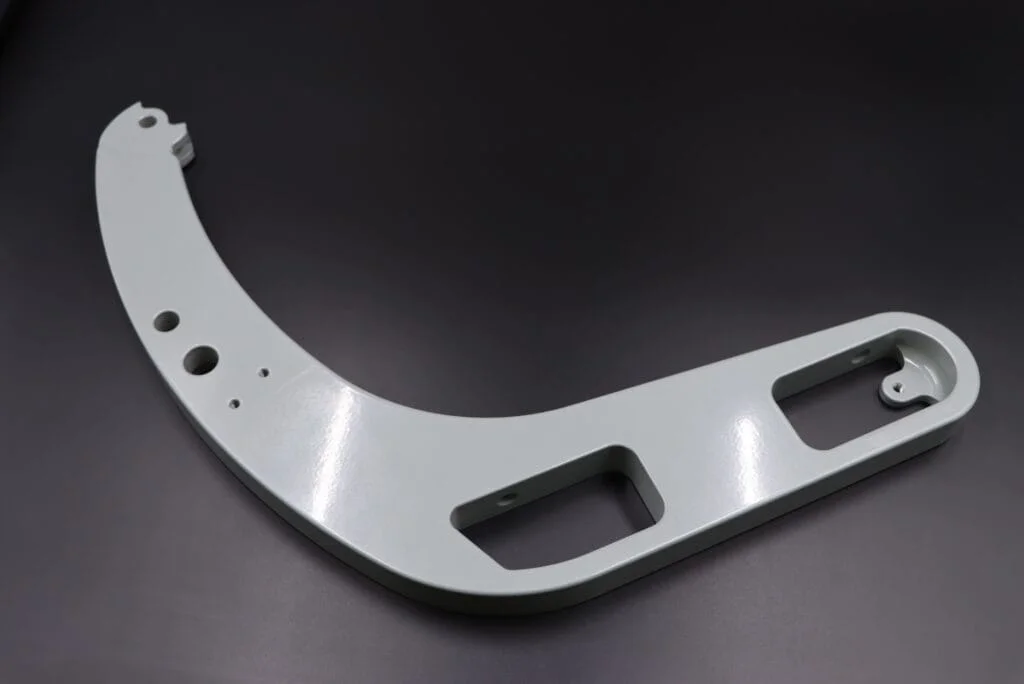
Various surface protection and modification options for medical components
Surface protection processes improve the performance, durability, and biocompatibility of medical components. Some common surface protection options in the medical device industry include:
Chemical Vapor Deposition (CVD) and Physical Vapor Deposition (PVD)
These methods are used to apply thin layers of materials to equipment that increase hardness, abrasion and chemical resistance and are used in many medical devices such as orthopedic implants and surgical instruments.
Laser engraving and marking
Although laser etching is mainly used to insert serial numbers and logos on industrial and medical parts, in specialized applications it can change the surface roughness in a controlled manner. This valuable feature allows for improved adhesion of coatings as well as facilitating cell growth on the surfaces of medical implants.
Hydroxyapatite coating
This coating, which is specifically used for bone implants such as hip implants and dental implants, accelerates bone growth and significantly improves the integration and connection of the implant with the adjacent bone.
Silicone coatings
Silicone coatings are widely applied to a variety of medical devices that interact with living tissues due to their excellent lubricity and biocompatibility. These coatings reduce friction and create a soft, compliant surface, while increasing patient comfort (especially during prolonged contact) and improving the overall performance of the device.
Antimicrobial coatings
Antibacterial coatings are specifically designed to inhibit the growth and multiplication of bacteria on surfaces, significantly reducing the risk of hospital-acquired and medical device-associated infections. These vital coatings are widely applied to catheters, surgical instruments, and any medical device at risk of bacterial colonization and infection.
Create a passive layer
This process involves: treating or coating stainless steel with a mild oxidizer to remove surface free iron and increase corrosion resistance. It is essential for the durability and sterility of surgical instruments and stainless steel parts.
Anodizing
The anodizing process, which is mainly applied to aluminum and titanium parts, significantly increases corrosion resistance, surface hardness, and wear resistance. In addition, the method can be used to create colored coatings – both for aesthetic purposes and for functional purposes, such as color coding surgical instruments.
Electrolytic polishing
This electrochemical process makes the surface of metal parts smooth and uniform, significantly improving surface finish and corrosion resistance. This method is particularly valuable in the manufacture of surgical instruments and medical implants, as it creates an extremely smooth surface, significantly reducing the risk of bacterial adhesion and increasing patient safety.
Plasma coating
Plasma Coatings are an advanced method for applying a thin, uniform, and fully biocompatible layer to a variety of substrates (metal, polymer, and ceramic substrates). This advanced technology significantly improves the surface properties of parts, including increased lubricity to reduce friction, as well as increased wear resistance to extend part life.
Polytetrafluoroethylene coating
PTFE (polytetrafluoroethylene/Teflon) coatings are applied to the surfaces of medical devices to increase lubricity (reduce friction) and improve chemical resistance. These coatings are widely used on guidewires, catheters, and other devices that require minimal friction and smooth passage through blood vessels and body tissues.
Frequently Asked Questions Related to Custom Medical Parts
Do your manufacturing processes comply with medical standards?
Yes, our manufacturing processes are fully compliant with important medical device industry standards such as ISO 13485 as well as FDA regulatory requirements.
Are you able to accept mass production orders?
Yes, we have the ability to handle high volume mass production orders and maintain quality. With advanced equipment and skilled workforce, we efficiently meet your production needs.
Do you offer prototyping services?
Yes, we offer rapid prototyping services using 3D printing technology. This allows for rapid iteration and testing of medical parts before mass production, helping to improve designs and ensure the accuracy and performance of the final product.
What methods do you use to ensure the quality of manufactured medical parts?
Advanced quality control measures are used throughout the production process, including: dimensional inspection, material testing, and functional testing.
What is the process of starting a project like for you?
To get started, contact us via our website or phone. We will provide an initial consultation to review your project needs and then provide you with a customized quote and project plan.
Ready to customize medical components for your project?
Contact our expert team now and start your medical parts production project with us.
- All information and files submitted are kept secure and completely confidential.